



SOUTHWEST FLORIDA — The U.S. Army Corps says the Caloosahatchee is too salty, and that is hurting its ecology.
On Friday, the Corps updated its dry season plan, but the Sanibel-Captiva Conservation Foundation says it is not helping protect fisheries, oyster beds, and seagrass.
Watch to hear about USACE's dry season plan and why SCCF say's its harmful:
Releasing water from Lake Okeechobee is a balancing act. The South Florida Water Management District has said if too much water is released, freshwater can flood the estuary and create harmful algal bloom risks.
But if too little is released, salt pushes inland from the Gulf, damaging seagrass, oyster beds, and fisheries. Right now, the Corps says lake levels are simply too low to send more water.

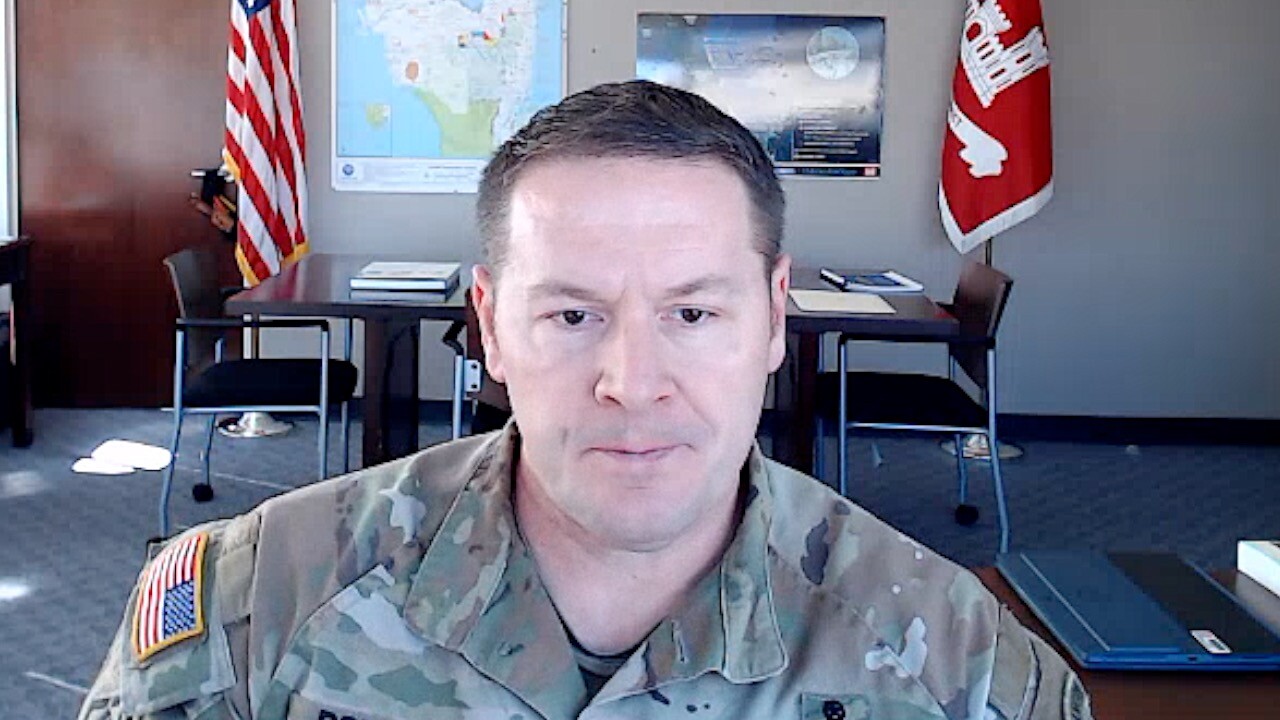
"This year’s drier conditions have us focused on conservation. Water levels are lower than average and lowering quicker than past years,” said Colonel Brandon Bowman with the U.S Army Corps of Engineers.
Because of that, Bowman said the plan is to rely on basin runoff to maintain minimum flow to the Caloosahatchee, using Lake Okeechobee releases as needed. He added that salinity in the Caloosahatchee will not get balanced until the wet season brings more rain.
Sanibel-Captiva Conservation Foundation Environmental Policy Director Matt DePaolis said that is concerning.
“These are really large impacts to a lot of the organisms that depend on this estuary for their life cycle and for key parts of their life cycle,” DePaolis said.

DePaolis said the estuary is being cut off to avoid potential water shortages for farming.
“Whereas we at SCCF are saying let’s preserve the health of the estuary now, and then if we need to cut us off in the future when we’re approaching the wet season, let’s talk about cutoffs then,” said DePaolis.

The Corps says it is closely monitoring conditions. Bowman added that lower lake levels can have benefits for Lake Okeechobee’s ecology, including allowing sunlight to reach underwater vegetation and providing opportunities for restoration work like plantings.
