



LEE COUNTY, Fla — The Florida Fish and Wildlife Conservation Commission (FWC) says 25 manatees died in Lee County in a week, and they were found in the Orange River and around Fort Myers. It’s a staggering number a Florida Gulf Coast University (FGCU) scientist calls highly unusual.
FWC believes cold stress may have played a role, and the FGCU scientist says even with the warm temperatures, the recent cold snap could’ve killed the manatees weeks later.
Watch to hear a new statement from FWC and how cold stress could have played a role in the deaths:
Of the 25 manatees that have died since February 13th, FWC used the Manatee Park boat ramp to remove 18 from the water on Thursday. People who visited the park say they’re shocked.
“It was really devastating to hear the news,” said Fran Harris. “It was depressing actually,” said Tom Wetzel.
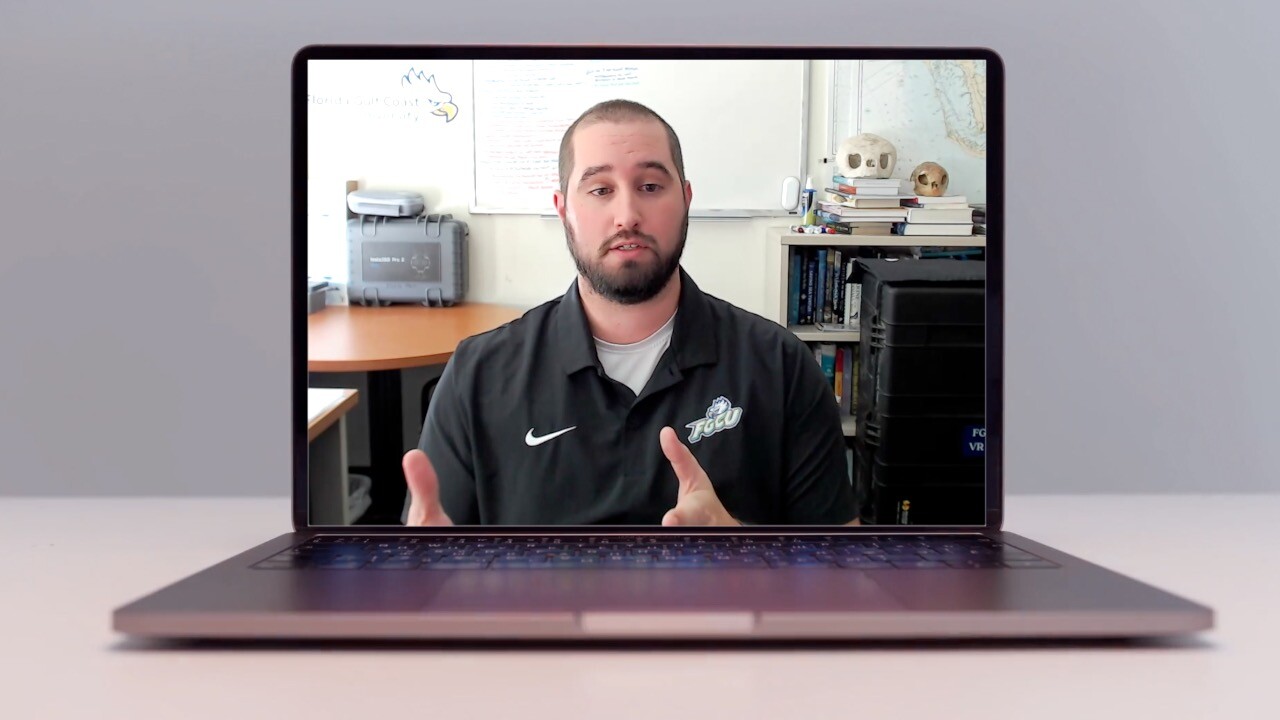
FGCU Assistant Professor of Conservation Biology Matt Ware says the spike is alarming.
“In 2025 Lee County had 113 manatee deaths, and we’ve already hit 20ish percent of that in the past week,” said Ware.
FWC performed necropsies on some of the animals and says cold stress may be a contributing factor. However, something else could have made things worse.
FWC said in a statement, in part,
“At this time, it is not yet known to what extent a recent, unplanned shutdown of a nearby Florida Power & Light power plant may have impacted mortality levels. The power plant is now back to full operation and the FWC appreciates Florida Power & Light’s commitment to support manatee conservation."
Ware says manatees are highly susceptible to cold. He says cold stress is essentially the manatee version of frostbite, which can happen when the Gulf drops below 68 degrees.
“If that situation sticks around for long enough that additional stress can result in ultimately organ failure and the death of that animal,” Ware said.
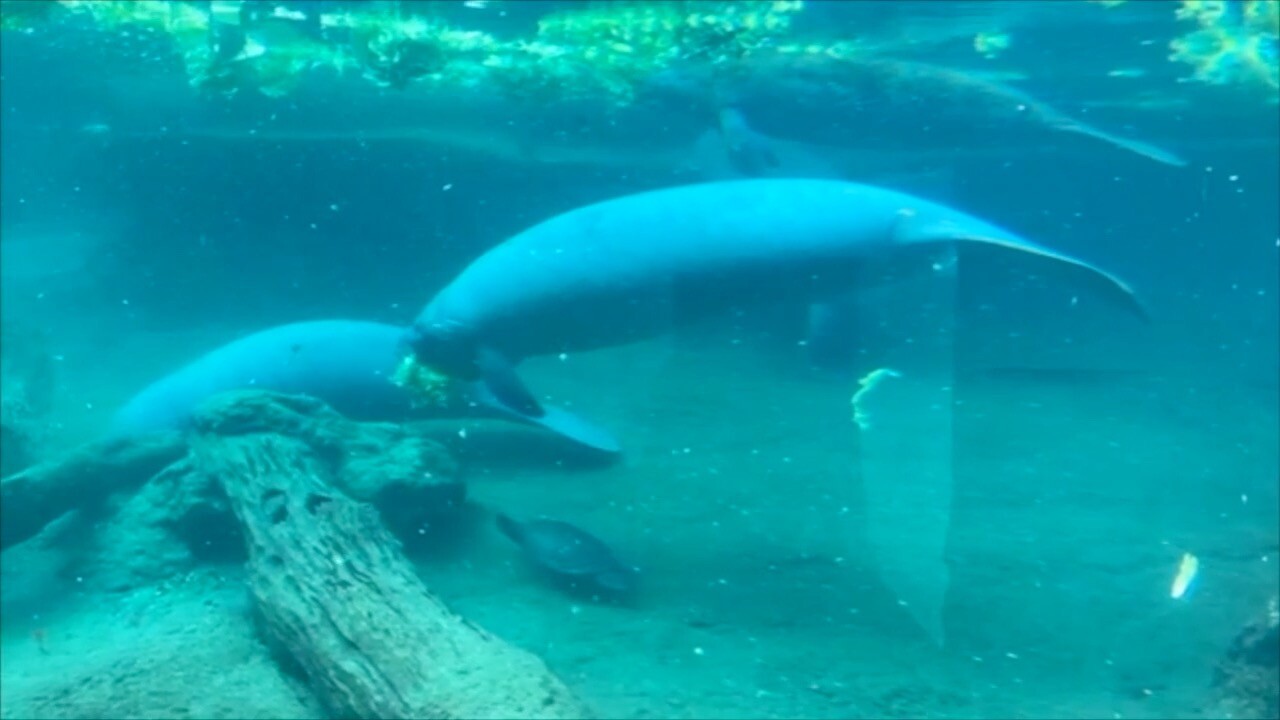
And here’s the key: Ware says the damage doesn’t always show up right away. “They may have suffered significant organ damage from that cold that they may have made it to Manatee Park, made it to the warm water, but not in time to ultimately recover,” he said.
There’s another risk, too. Ware says when manatees move inland searching for warmth, they lose access to their normal seagrass diet. He says that sudden change can trigger something called “gut shock,” which can be fatal.
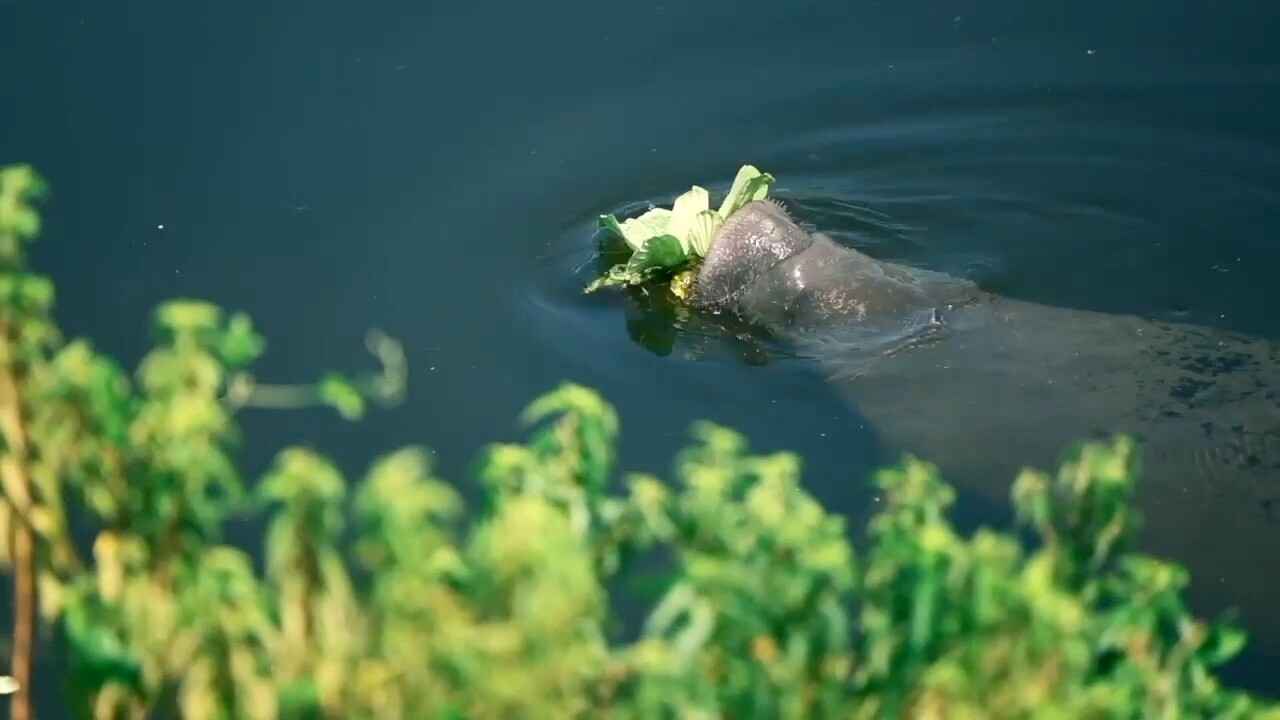
“Because of how slow their digestive system moves, there’s an opportunity for different toxins to build up as the bacteria in their gut changes over from those food sources,” said Ware.
With cooler temperatures expected again on Tuesday, Ware says already-stressed manatees could be in even more danger. Ware urges you to call FWC’s wildlife alert hotline if you see a manatee in distress.
PREVIOUS COVERAGE:
